
listing details
- Listing ID: 002873194028
- Property type: Lot/Land
- Contract type: For Sale
- Price: $ 245,000.00
- Listed by: RE/MAX ADVANCE
- Lot size: 92,000.00 Sq. Vr. - 25,047,000.00 Sq Vr.
Description
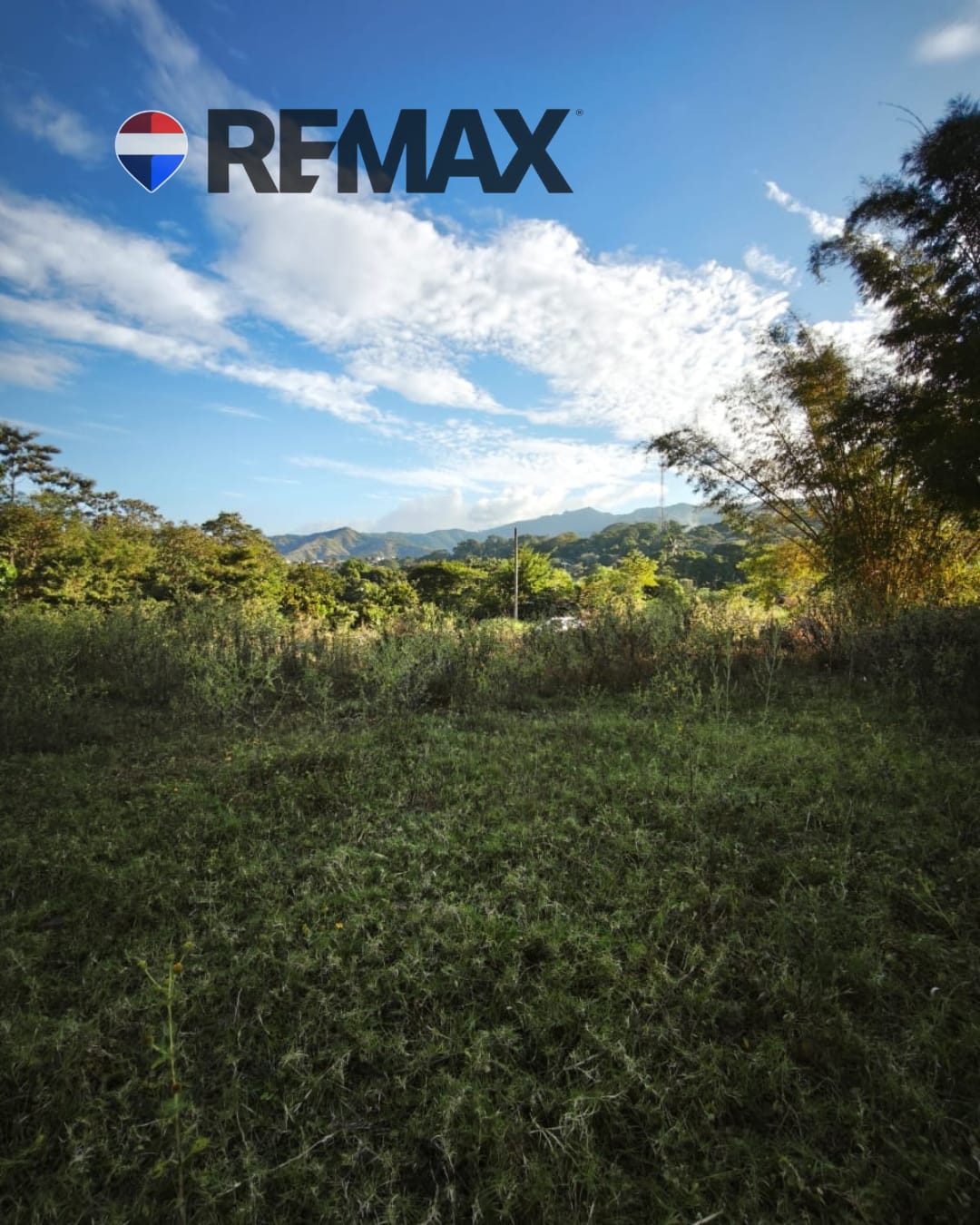
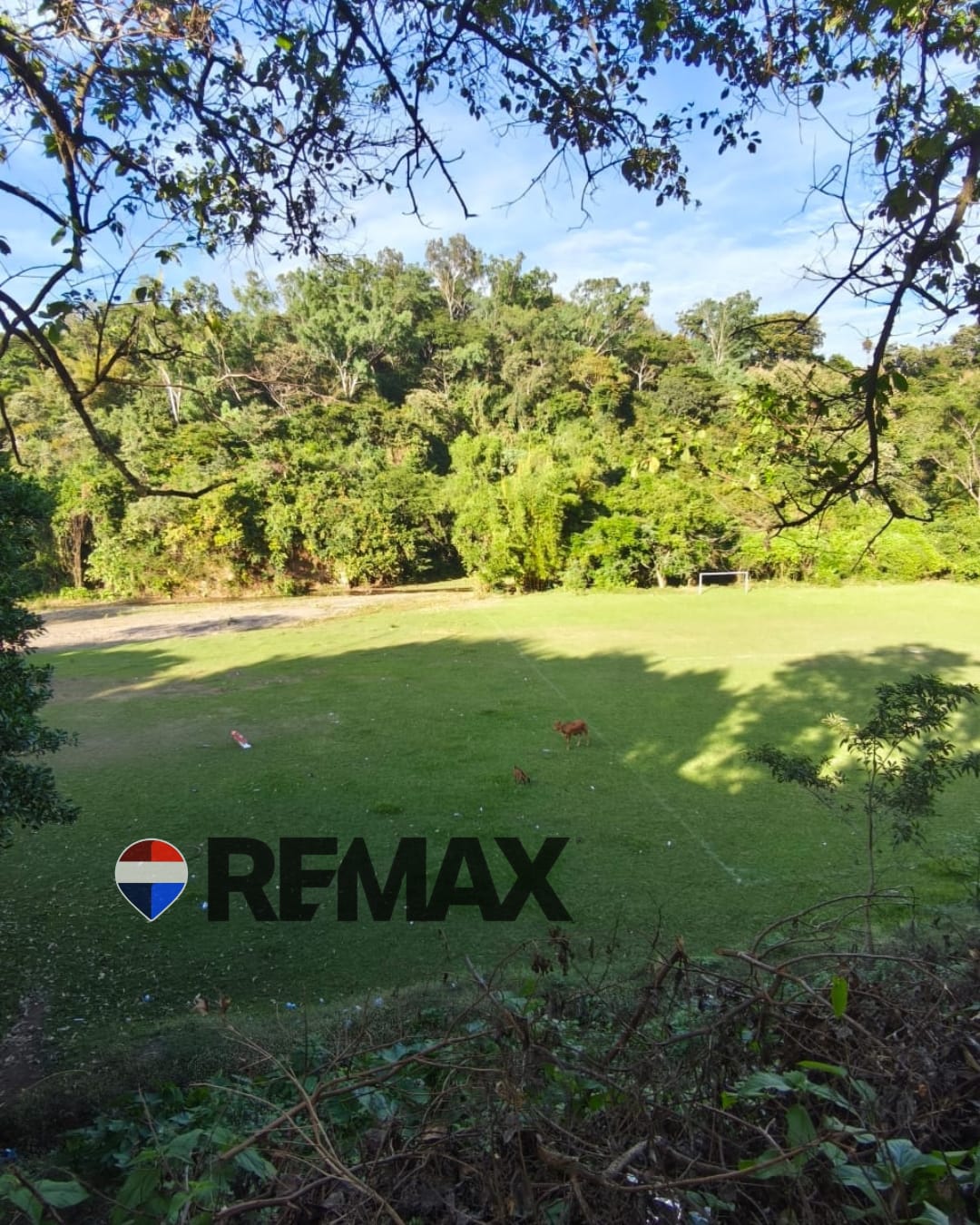
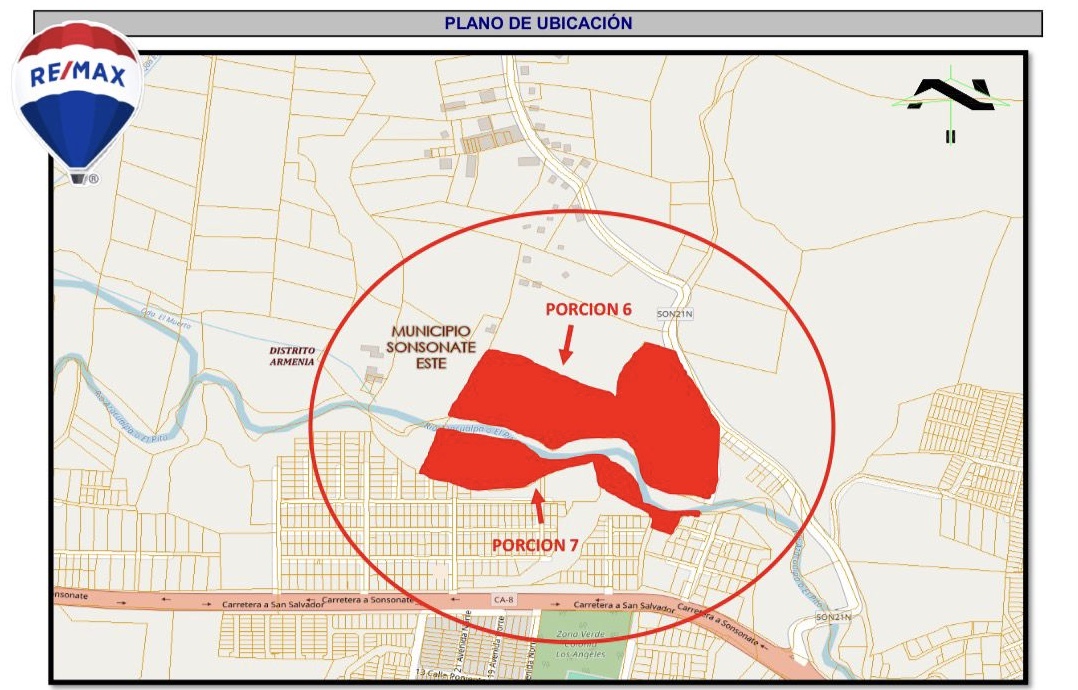
The 9.2-acre property (approximately 6.4 hectares) represents a strategic opportunity for a hybrid development that combines the productivity of the countryside with the growing demand for regenerative experiences. Below is the detailed description with a 2026 focus:
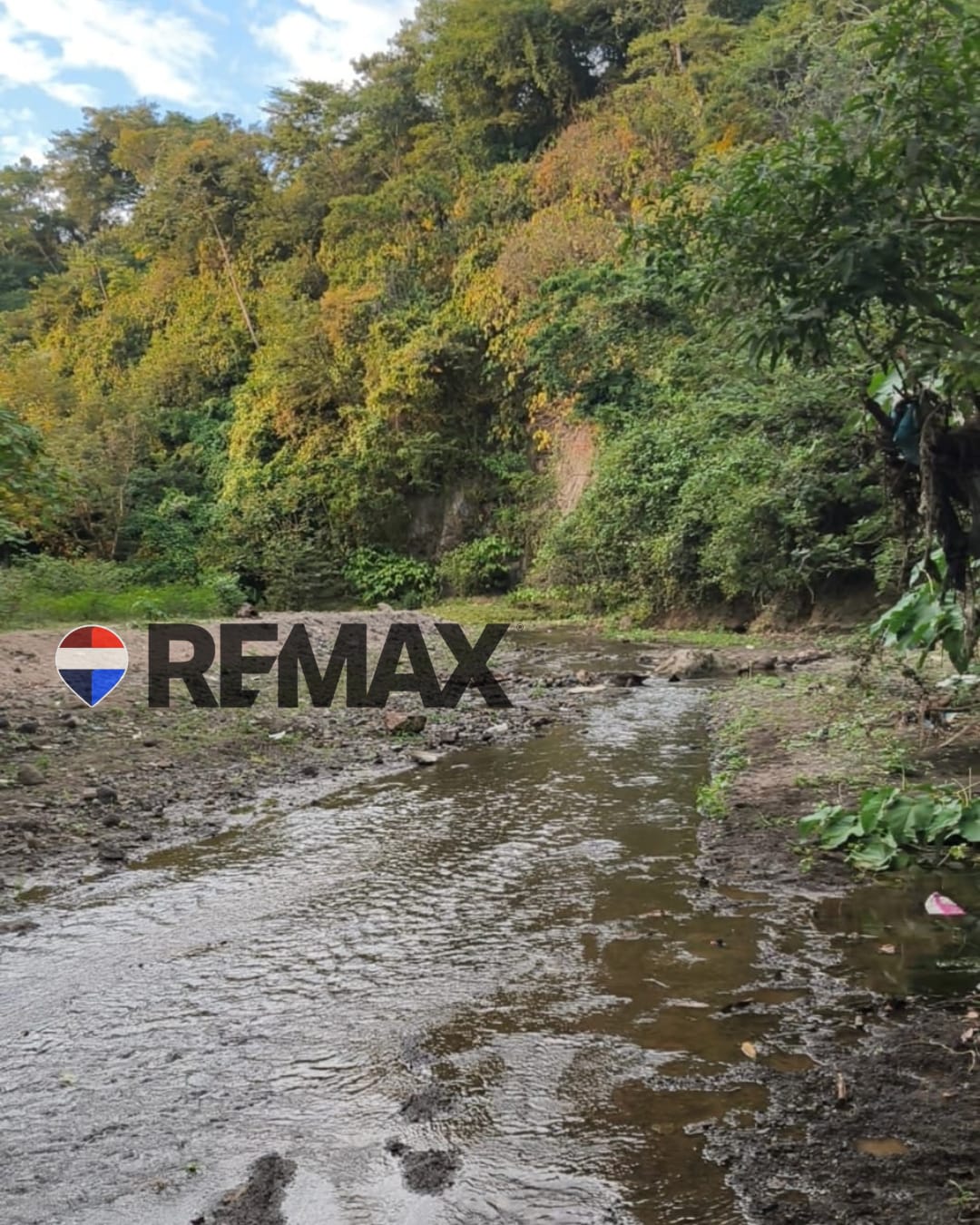
- Water Resource: The Central Axis
The river running through the property is not just a geographical boundary, but the most valuable asset:- For Agro-Tourism: The river allows the creation of riverside trails, "glamping" areas by the water, and natural pools for recreation.
- For Agriculture: It facilitates gravity or solar pump irrigation systems, reducing operational costs and ensuring production during droughts.
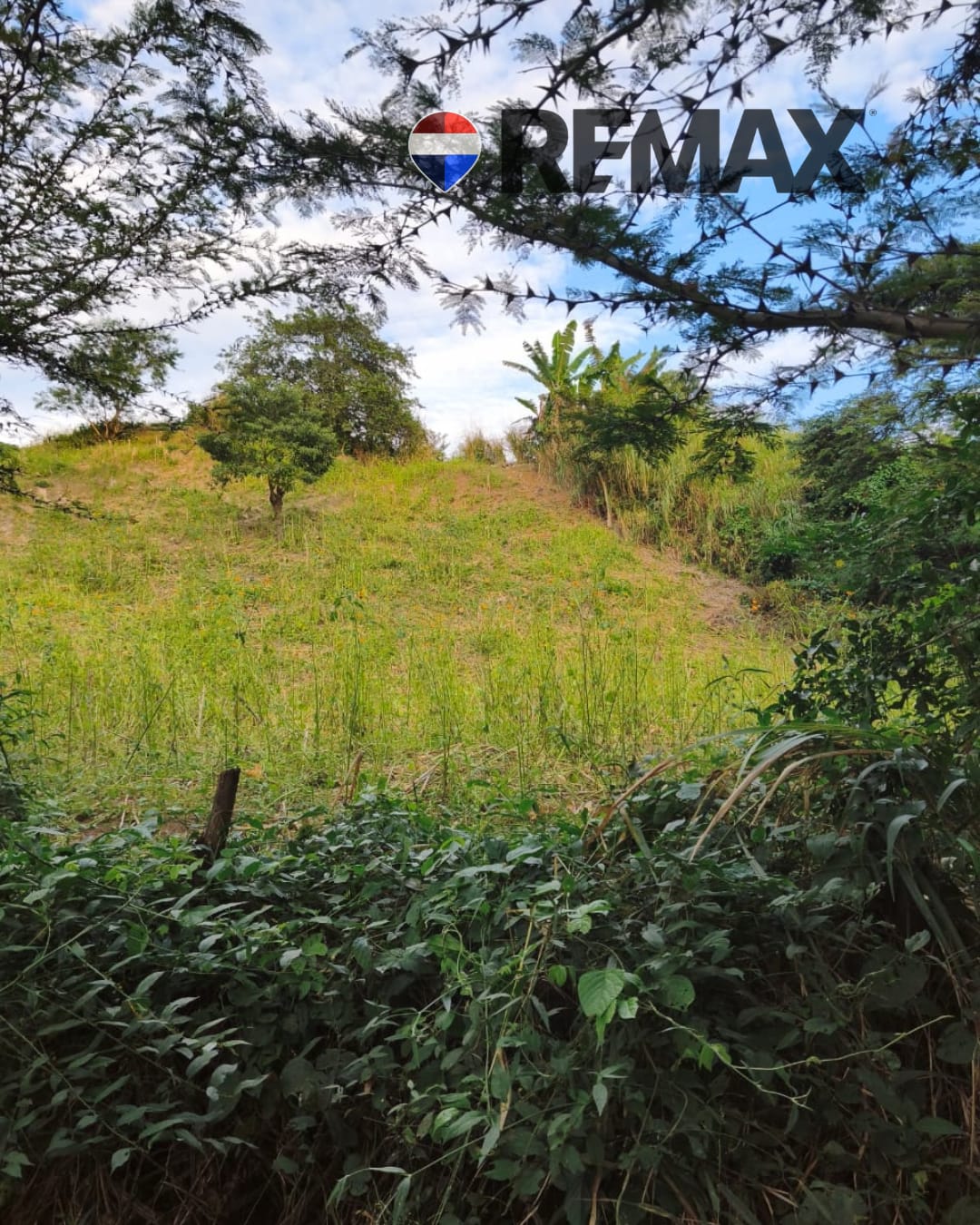
- Topography: Terrain with Variable Levels
The irregularity of the land is a competitive advantage in landscape design:- Low Areas (Valleys): Ideal for intensive crops, vegetables, or fruit trees due to nutrient accumulation and higher moisture.
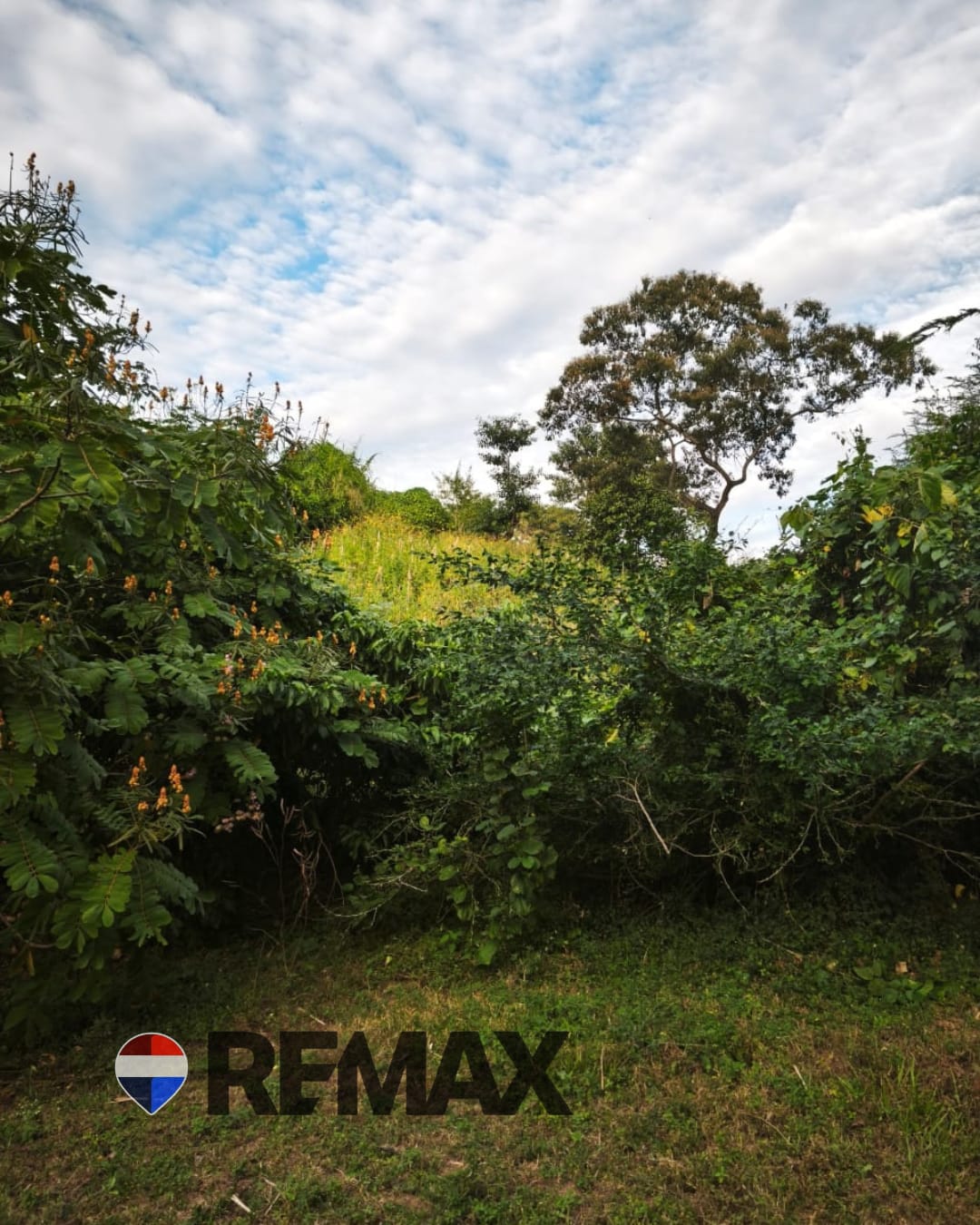
- Hillsides: Perfect for establishing agroforestry systems (such as shade-grown coffee or cocoa) that prevent erosion and provide visual beauty.
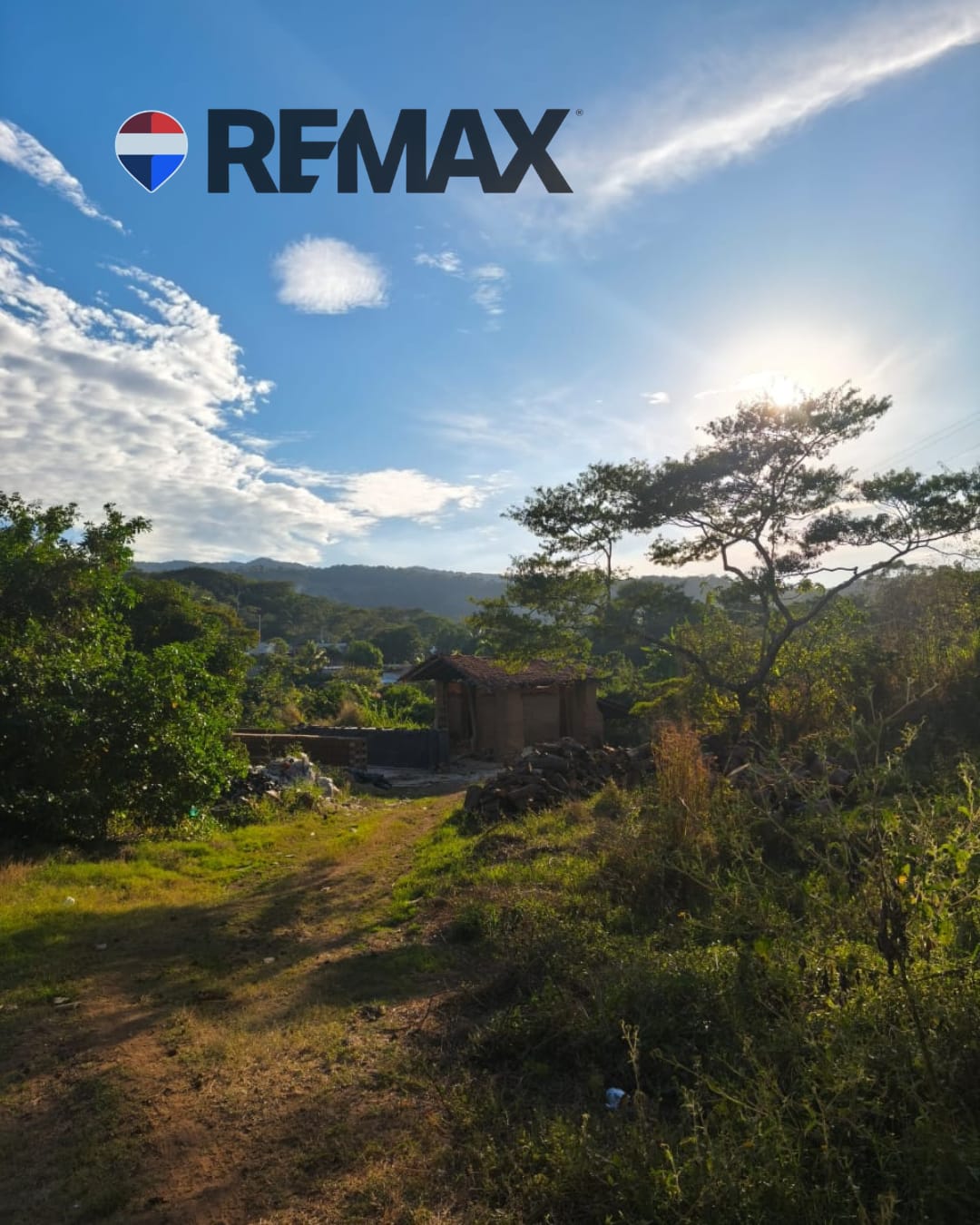
- High Areas (Plateaus): These are strategic points for tourist infrastructure (viewpoints, restaurant, or cabins), taking advantage of the property's panoramic views.
- Agricultural Potential (Production 2026)
The current trend leans towards organic and specialty agriculture:- Demonstrative Orchards: Crops that tourists can pick themselves ("Pick your own").
- High-Tech Greenhouses: For the production of exotic flowers or gourmet vegetables to supply the tourist complex itself.
- Agro-Tourism Projection
The land allows for segmenting the experience for different profiles:- Educational Tourism: Workshops on composting, grafting, and sustainable soil management.
- Eco-Friendly Lodging: Structures that blend with the environment using local materials (wood, stone, bamboo).
- Farm-to-Table Gastronomy: A restaurant that uses inputs produced on the 9.2 acres, offering freshness and traceability.
Summary of Potential:
This property is a versatile ecosystem. While the flat areas generate cash flow through the sale of agricultural products, the elevations and the river generate profitability through hospitality services, creating a resilient and sustainable business model.